
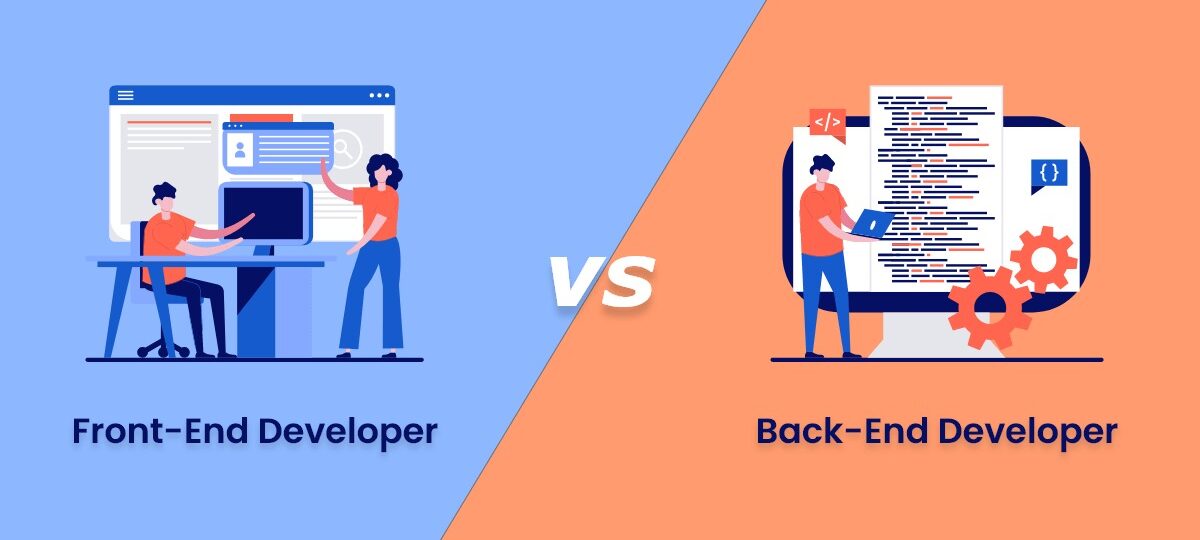
Understanding the Difference Between Front-End and Back-End Development
Demystifying the Clash: Front-End vs. Back-End Development – A Deep Dive into the Dynamic Duo of Web Creation
When we talk about crafting websites and apps, two heavyweight champions step into the ring: front-end and back-end development. Though often spoken about in the same breath, these two disciplines represent fundamentally different arenas, each crucial to building the seamless digital experiences we rely on daily. As someone who’s journeyed through the tech world juggling both sides at times, I can attest that understanding their nuances is key—not just for developers, but for aspiring tech pros, managers, or even curious users wanting to peek behind the curtain.
Let’s embark on an enlightening exploration of what front-end and back-end development are, how they differ, and why their collaboration is the secret sauce behind your favorite apps and websites.
Front-End Development: The Face and Feel of the Web
The front end is like the friendly storefront you walk into—bright, inviting, and designed to make your visit enjoyable. This is everything users see and interact with: buttons, menus, images, forms, and layouts. Technically speaking, it’s the graphical user interface (GUI) that your browser assembles using a structured map called the Document Object Model (DOM).
As a front-end developer, your daily quests include taking cool designs and turning them into interactive, responsive web pages. The magic trio here? HTML (the bones and structure), CSS (the cake decorator styling fonts, colors, and spacing), and JavaScript (the lively mascot bringing action, showing and hiding elements, validating form fields in real time). Your job is to ensure that everything looks sharp whether you’re on a smartphone subway ride or a widescreen desktop in a cozy cafe.
It’s also about collaborating with designers so that the vision stays intact and back-end developers to keep the data pipeline flowing smoothly. Ever tried clicking a dropdown that refuses to open, or a sluggish site? Trust me, a front-end developer’s job is to avoid those headaches for users.
Back-End Development: The Unsung Hero Working Behind the Curtains
Flip the coin, and you’ll find the back end—the powerhouse whirring behind the scenes. Where front-end presents the face, back-end is the engine, the vault, and the brain on the server. It handles database storage, user authentication, business logic, and coordinates the data dance that powers the interface.
When you fill a signup form or press “Buy Now,” your browser sends a request to the back end, which processes it, fetches or stores data, runs calculations, and sends a response back. Back-end developers build and maintain this robust infrastructure, ensuring security, scalability, and speed, even when traffic spikes like Black Friday.
I remember working on a project where the back end’s caching mechanisms cut loading times in half, drastically improving user satisfaction. Popular programming languages here include Python (known for clarity and efficiency), Java (favored in corporate giants), Ruby (readable and neat), PHP (a mainstay in content-heavy sites like WordPress), and Node.js (JavaScript’s server-side sibling enabling full-stack flexibility). Plus, these developers juggle databases like MySQL, PostgreSQL, or MongoDB and craft APIs—think of these as digital waitstaff taking requests between front-end and back-end.
Key Differences: More Than Just Code and Screens
It’s tempting to think front-end equals pretty visuals and back-end is just boring code, but that’s selling both short. The front end concerns itself with crafting smooth user experiences—the colors, layouts, and interactions that invite you to explore. The back end ensures that behind every click lies a well-oiled machine processing logic, handling data securely, and delivering it instantly.
Consider a car: the front end is your dashboard, steering wheel, and comfy seats—all the controls and visuals you engage with. The back end is the engine, brakes, and wiring that power the ride. Without the engine, your beautiful dashboard is just a fancy paperweight; without the dashboard, you would have no clue how fast or far you’re going.
How They Dance Together: A Perfect Web Symphony
Front-end and back-end are individual performers who must harmonize flawlessly. The front end issues requests via APIs—messengers ferrying information back and forth; the back end processes these and returns data. This dance repeats at lightning speed whenever you scroll, click, or type.
Imagine going to a restaurant: front end is the waiter bringing menus and your orders, creating a friendly atmosphere. The back end is the chef and kitchen staff cooking up your meal. The magic only happens when these roles sync perfectly.
Which Should You Learn or Prioritize? Let’s Bust That Myth
Often, newcomers ask, “Which is easier or more important?” Truth bomb: both are vital, and their importance is interdependent. A flashy, user-friendly front end loses charm if the back end crashes or churns out errors. Conversely, a powerful and secure back end is wasted if users can’t navigate the interface smoothly.
If you’re starting out, front-end development may appear more accessible—you see immediate visual results, which can be rewarding. But back-end work, while more abstract, opens doors to mastering data handling, security, and system design. For the ultimate power combo, many grow into full-stack roles, mastering both arenas and becoming invaluable tech gladiators.
Final Thoughts: Two Sides of a Digital Coin
In the tech ecosystem, front-end and back-end development share a beautiful symbiosis. Together, they build the modern digital landscapes—from apps that streamline your workdays to websites that keep you entertained. Understanding their interplay elevates your appreciation for the apps you love, the websites you visit, or if you’re looking to carve your career path, helps you choose which craft to hone.
Remember: whether you’re drawing the user interface or architecting the server logic, you are part of a vibrant collaborative story that powers the internet.
📞 Phone / Call +256700393395 or WhatsApp +256700393395
🌍 Available in: Kampala Uganda