
Understanding the Role of a Sitemap in Website Structure
Understanding the Backbone of Your Website: The Essential Role of a Sitemap
Creating a website is so much more than dressing it up with attractive visuals or filling it with compelling content. Sure, picking the right design and writing great content are challenging tasks by themselves, but the real game-changer lies beneath the surface—website structure. This behind-the-scenes framework dictates how visitors glide through your site, finding what they need seamlessly, while helping you achieve your business goals effectively.
At the heart of a strong website structure is a sitemap. But what exactly is it, and why should you care? Let’s delve deeper.
What Exactly Is a Sitemap?
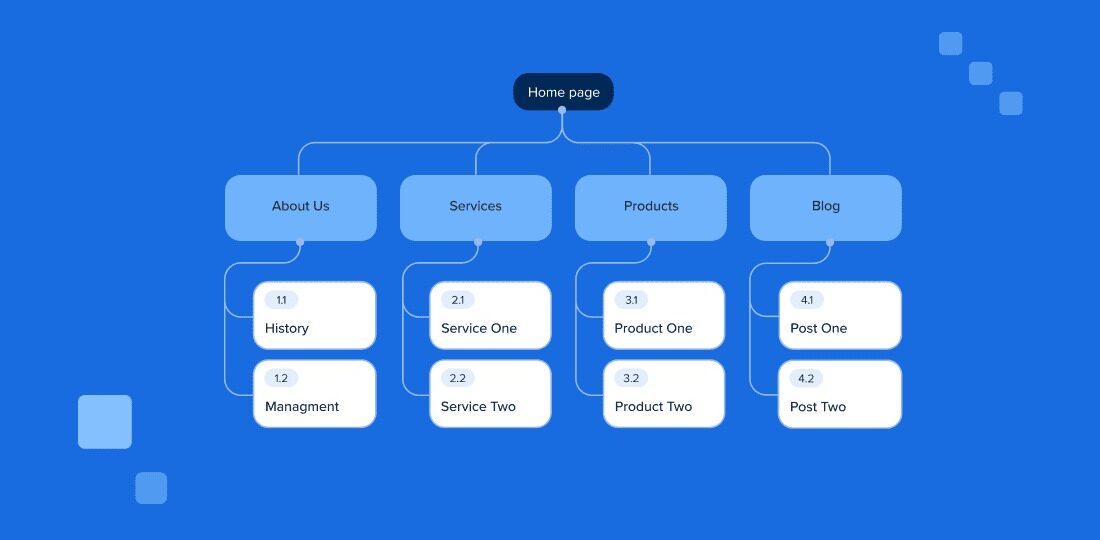
Think of a sitemap as a blueprint or a bird’s-eye map of your website. It visually lays out all the key pages and shows how they connect in a hierarchy. Imagine it as the skeleton of your website—it doesn’t show the colors or fonts, but it defines the shape and order.
Sitemaps organize content by grouping related pages together and revealing the site’s taxonomy (fancy word for how things are categorized). It’s the foundation of your website’s information architecture (IA), ensuring everything is in its rightful place and ready for visitors to explore easily.
How Do We Use Sitemaps in Building Websites?
From my experience working alongside clients and users, sitemaps are the starting block in shaping how a website feels and functions. At End User Tech Solutions, we treat the sitemap like the backbone—structuring not just how visitors navigate but how easily they find content and complete tasks.
Our process kicks off only after deep user research and strategy development. These insights allow us to draft a sitemap that balances our clients’ objectives and users’ behaviors perfectly. After crafting the initial sitemap, we review it internally, walk through it with our clients, and sometimes conduct prototype navigation tests or tree testing, especially for large or complex websites. This feedback loop is crucial to refine the structure before moving on.
Once the sitemap stands solid, we leap into creating content outlines and wireframes for each major page, further shaping the user experience.
Why Do Sitemaps Matter So Much?
Sitemaps are the unsung heroes that set your website’s user experience in motion. Here’s why they’re indispensable:
– They organize content logically, making it digestible and intuitive for your audience.
– They help design navigation structures focusing on your users’ primary goals and tasks.
– They highlight different page types and their relationships, ensuring the site’s flow feels natural.
– They serve as a north star for wireframes, content strategies, and functional specs.
One important note: sitemaps don’t dictate design or layout details, don’t map out every single piece of content, nor define specific user paths. Think of them as the blueprint, not the finished house.
How Should You Engage with a Sitemap?
When reviewing a sitemap, honest and thoughtful feedback is gold. To truly hone the user experience, consider:
– Does the way content is grouped feel logical and intuitive?
– At the highest level, do the main sections match the top goals and actions your audience expects?
– Are all the key content types represented accurately?
Answering these questions helps ensure the sitemap aligns with your mission and your users’ needs, paving the way for a smooth website journey.
In future articles, we’ll unpack how sitemaps connect with wireframes and content strategy, breaking down each step to help you craft websites that truly resonate.
📞 Phone / Call +256700393395 or WhatsApp +256700393395
🌍 Available in: Kampala Uganda